Is Cauliflower Good For Diabetics?
Cauliflower for Type 2 diabetes
The Indian palate is no stranger to cauliflower. An annual plant that is widely available in any green grocer’s, cauliflower is a cruciferous vegetable that finds use in a wide variety of dishes and spices commonly used in Indian cooking. It is a highly versatile meal option and can offer a low calorie, low-carb replacement for grains like rice in your diet. For example, cauliflower rice is a popular alternative for those focusing on weight management and diabetes management, as it is significantly lower in carbs than grains and legumes.
Diabetics especially can benefit highly from adding cauliflower to their diet, as it is rich in nutrients, minerals like magnesium, fiber, and vitamins. Though low in calories, cauliflower is very high in nutrients and supports overall health, fitness, and metabolism.
Health Benefits of Cauliflower
Cauliflower’s naturally high fiber content makes it an excellent food to support weight management. The fiber induces satiety and keeps food cravings at bay, making it ideal for structured meal planning. Fiber in your diet slows down the absorption of glucose into your bloodstream, thereby supporting blood sugar control and better glucose control.
It also acts as good roughage, improving digestive function and enhancing the gut microbiome, so healthy bacteria can thrive. The glycemic index of cauliflower is only 10, which is very low. The glycemic load of cauliflower is one, which is also very low. Thus, it is very safe and healthy for diabetes management.
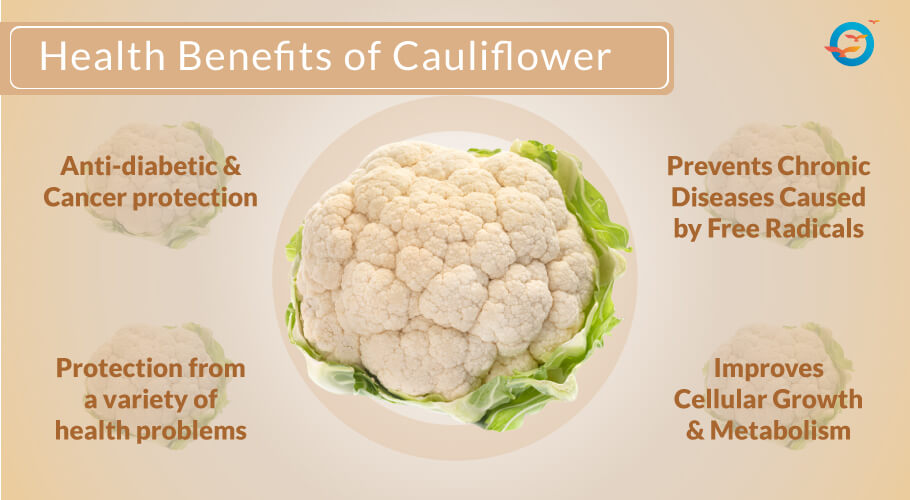
1. Cancer protection
Cauliflower contains phytochemicals and powerful antioxidants, which are highly beneficial for humans. These compounds help plants fight infection, bacteria, and fungi.
When we consume plants rich in phytochemicals we harness these properties, for instance: reduced inflammation, higher immunity against infection, and cancer-fighting properties. The cauliflower’s high levels of phytochemicals make it a powerful ally in the fight against cancer.
2. Prevents Chronic Diseases Caused by Free Radicals
Metabolic activity in the body, such as converting food to energy generates substances known as free radicals. These compounds start chain reactions that damage cells and cause ocitative stress, which are known to cause many diseases.
Antioxidants neutralize these free radicals, preventing damage at the cellular level. Vitamin C is a principal anti-oxidant, and cauliflowers, being rich in Vitamin C, offer a strong defense against the diseases like cancer, stroke, and heart damage, brought on by the oxidative damage of free radicals.
3. Improves Cellular Growth & Metabolism
Cauliflower has a high content of choline. This is a vital nutrient that is required to support cell growth, fuctioning of the nervous system, and to metabolize fats. Although the body does produce some choline, it is not sufficient and needs to be supplemented by dietary sources.
Cauliflower is rich in choline, and regular consumption can ensure you get your recommended daily intake. Cauliflowers have a high fiber content, which enhances weight loss, improves digestion, and slows glucose absorption into the bloodstream.
4. Protection from a variety of health problems
Cauliflower’s diverse nutrient profile offers protection from several disorders, including:
- certain gastrointestinal diseases
- coronary heart disease
- diabetes
- hypertension
- obesity
- stroke
Summary
Cauliflowers make excellent food for diabetes—and anyone keen to keep their immunity levels high will benefit from adding cauliflower to their diet. Their high fiber content helps reduce blood pressure and cholesterol levels, improve insulin sensitivity, and enhance weight loss in obese people.
You can learn about the top 10 vegetables for diabetics that can help regulate your blood sugar.
They are also high in antioxidants, which reduce cell mutations and oxidative damage; cancer-resisting phytochemicals and choline, a vital multipurpose vitamin-like factor that helps with sleep, muscle movement, learning, and memory.
FAQs
How does cauliflower help manage diabetes?
Cauliflower rich in fiber, low in calorie and carbohydrate, very high in nutrients, which helps control blood sugar levels and supports overall diabetes management.
Can I eat cauliflower if I have diabetes?
Yes, cauliflower is a diabetes-friendly vegetable that can be included in your diet due to its low glycemic index and nutritional benefits.
What are the benefits of cauliflower for diabetics?
Cauliflower helps with blood sugar control, provides essential nutrients, and is low in carbohydrates, making it a healthy choice for diabetics.
Can cauliflower affect blood sugar levels?
Cauliflower has a low glycemic index, so it has a minimal impact on blood sugar levels, making it a suitable choice for diabetics.